Fire Protection Solutions for Cables and Cable Trays
Contents
The Importance of Cable Fire Protection for Critical Power and Safety Systems
In modern facilities such as data centers, nuclear power plants, power generation facilities, transportation systems, and industrial plants, certain electrical circuits must continue functioning during a fire emergency to maintain safety, operation, and emergency response capabilities.
These critical circuits may include:
UPS power supply cables
Emergency power distribution cables
Fire alarm and detection system cables
Emergency lighting cables
Smoke control and ventilation system cables
Security and access control cables
Control and instrumentation cables
Communication and monitoring systems
Failure of these circuits during a fire can lead to serious consequences, including:
Loss of power to critical equipment
Shutdown of IT infrastructure
Failure of fire protection systems
Loss of communication capability
Reduced ability for emergency response teams to control the situation
For example, in a data center environment, UPS systems provide continuous power to servers and critical IT equipment during utility power interruptions. However, if the cables supplying emergency power or control signals are damaged by fire, the UPS system may no longer perform its intended function.
Similarly, in industrial plants and power facilities, control and instrumentation cables are responsible for monitoring equipment status and controlling safe shutdown procedures. Maintaining the integrity of these circuits during fire conditions is essential for protecting personnel, equipment, and business continuity.
Therefore, cable fire protection is not only about preventing flame spread. It is about maintaining circuit integrity, protecting critical functions, and ensuring that essential systems continue operating for a required period during a fire event.
Common Challenges in Cable and Cable Tray Fire Protection
1. Rapid Fire Spread Along Cable Routes
Most power and control cables contain polymeric materials such as:
• PVC
• PE
• XLPE
• Rubber insulation
During fire exposure, these materials may:
• Ignite
• Release heat
• Generate smoke
• Allow flame propagation along cable bundles
Cable trays with high cable density can accelerate fire development because multiple cables are located close together.
In some places, flame-retardant cables are used, which can, to a certain extent, slow the spread of fire along the cables. However, measures are also needed to protect these cables from catching fire in the first place.
________________________________________
2. Fire Propagation Through Cable Penetrations
Cable routes frequently pass through:
• Fire-rated walls
• Floors
• Electrical rooms
• Equipment compartments
Improperly sealed openings may allow:
• Flame spread
• Hot gas migration
• Smoke leakage
A fire compartment can lose its intended protection level if cable penetrations are not properly protected.
________________________________________
3. Heat Exposure to Critical Cables
Some cables are required to maintain operation during fire emergencies, including:
• Emergency power cables
• Fire alarm cables
• Communication cables
• Control cables
External heat exposure may cause:
• Decrease of current-carrying capacity
• Signal interruption
• Short circuits
Passive Fire Protection Solutions for Cables and Cable Trays
Solution 1: Fire Resistant Cable Coating
Cable fireproof coatings are one of the most widely used solutions for improving cable fire resistance.
The coating forms a protective insulating layer when exposed to high temperatures.
Working Principle
During fire exposure:
1. The coating forms a ceramic-like protective layer.
2. Heat transfer to cable insulation is reduced.
3. Flame propagation along cables is delayed.
Advantages
• Reduces flame spread
• Improves cable fire resistance
• Provides additional insulation protection
• Suitable for existing cable installations
• Easy retrofit application
Typical Applications
• Power cables
• Control cables
• Communication cables
• Cable tunnels
• Cable trays
Product description: https://fireinsulations.com/fire-resistant-coating/
Application Method
Typical installation process:
1. Clean cable surfaces
2. Apply coating by spray or brush
3. Control coating thickness
4. Allow sufficient curing time
Solution 2: Fire Resistant Wrapping System for Cable Trays
For applications requiring higher fire resistance, cable trays can be protected by wrapping systems.
Typical structure:
• External fire-resistant layer
• Thermal insulation material
• Mechanical protection layer
Materials may include:
• Ceramic fiber blanket
• Endothermic mat
Working Principle
The wrapping system reduces:
• Heat transfer
• Flame exposure
• Temperature rise inside cable bundles
Applications
Suitable for:
• Power plants
• Nuclear facilities
• Oil & gas facilities
• Industrial plants
• Data centers
Product description: https://fireinsulations.com/endothermic-mat-3/
Advantages
• High temperature resistance
• Flexible installation
• Suitable for complex cable routes
• Easy maintenance access
The appropriate number of layers of fire-resistant material depends on the required fire resistance duration for your cable tray system.
Ceramic Fiber Blanket/Felt – Delivers 1 to 2 hours of fire protection, suitable for standard fire safety requirements.
ET-MAT with Endothermic Properties – Designed for applications where fire resistance must be combined with thermal insulation. At elevated temperatures, the endothermic material releases chemically bound water, significantly suppressing temperature rise and retarding heat transfer within the cable tray.
Unsure which solution is right for your project? Our team is available to discuss your specific application and provide expert recommendations.
Solution 3: Firestop Sealing for Cable Penetrations
Cable penetration sealing is essential to maintain fire compartmentation.
Common locations include:
• Walls
• Floors
• Electrical rooms
• Equipment enclosures
Traditional Challenges
Common sealing methods may include:
• Mortar
• Organic putty
• Acrylic sealants
However, traditional materials may have limitations:
• Difficult to fill narrow gaps
• Aging over time
• Poor flexibility after cable movement
AY Solution
AY provides:
• Intumescent firestop sealant
• Firestop foam
• Fire-resistant sealing systems
Benefits:
• Prevent flame spread
• Reduce smoke leakage
• Maintain fire rating
• Suitable for retrofit applications
Engineering Design Considerations for Cable Fire Protection
When selecting cable fire protection systems, engineers should evaluate:
Fire Resistance Rating
Typical requirements:
• 30 minutes
• 60 minutes
• 90 minutes
• 120 minutes
Operating Environment
Evaluate:
• Indoor/outdoor installation
• Humidity
• UV exposure
• Chemical exposure
• Installation space limitation
Maintenance Requirements
The system should allow:
• Cable inspection
• Future expansion
• Repair or revamping
Relevant Standards
Depending on project requirements:
• IEC 60331
• IEC 60332
• UL 1424
• UL 2196
• ASTM E119
• EN 1366-3
• EN 13501
Project References and Case Studies
Case Study 1:Power Plant Cable Tray Fire Protection Upgrade
Challenge:
Existing cable trays were exposed to high-temperature environments.
Solution:
- Fire resistant coating
- Cable tray wrapping system
Result:
Improved cable protection and reduced fire propagation risk.
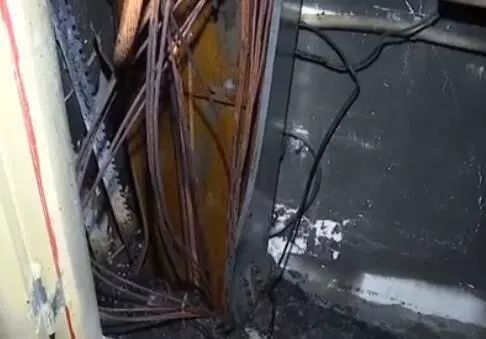
Before
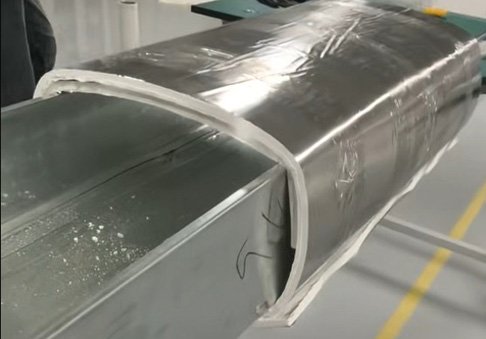
After
Before
After
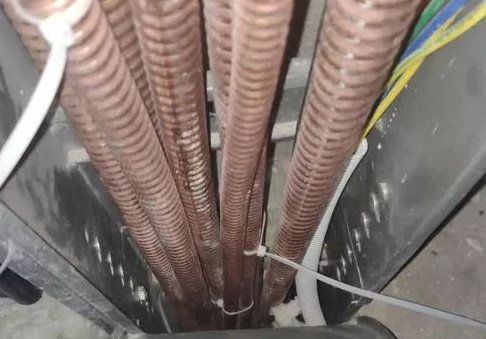
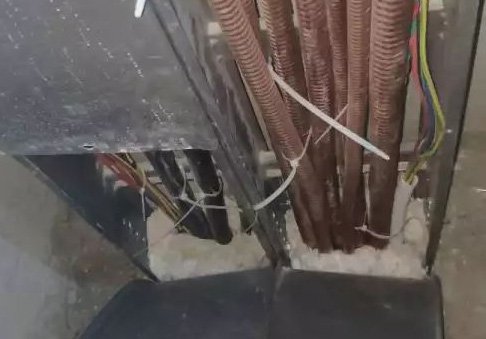
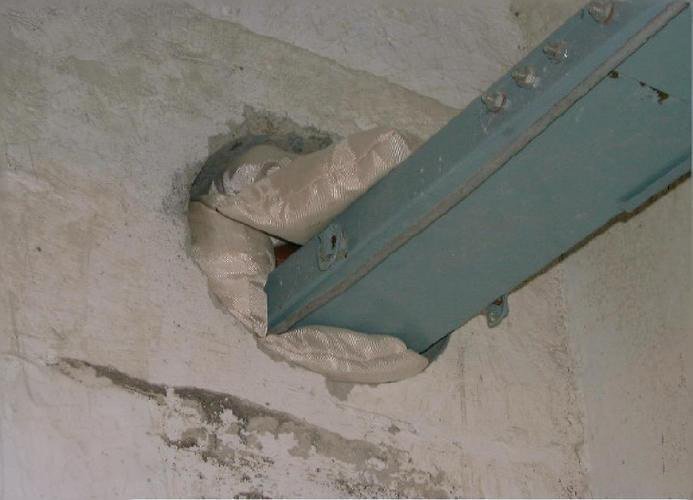
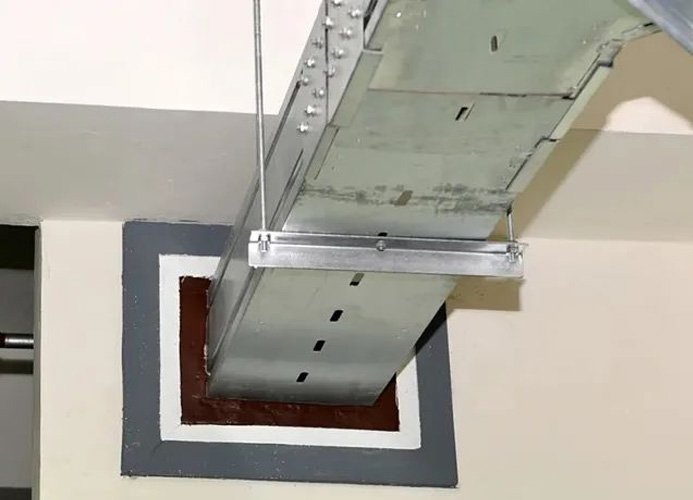
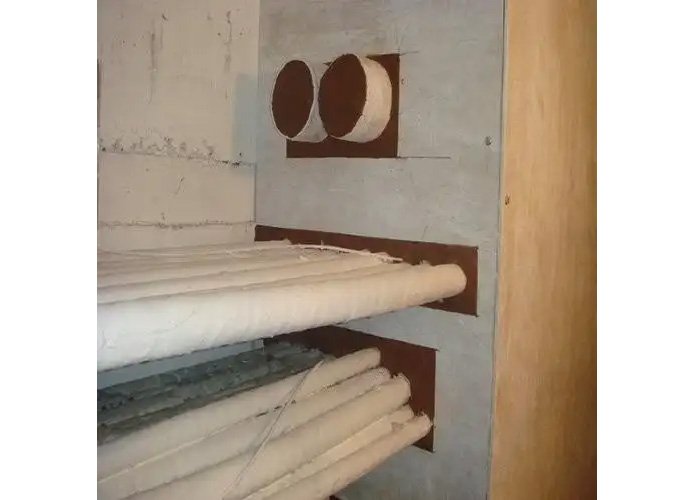
Case Study 2:Industrial Facility Cable Penetration Firestop Upgrade
Challenge:
Multiple cable penetrations compromised fire compartmentation.
Solution:
- Firestop foam
- Intumescent sealant
Result:
Restored fire barrier performance.
before
After
After