Fire Protection Solutions for Electrical Cabinets and Control Panels
Understanding Fire Risks in Electrical Cabinets and Control Panels
Electrical cabinets and control panels are critical components in power distribution systems, industrial automation facilities, data centers, battery energy storage systems (BESS), manufacturing plants, and commercial buildings.
While these systems are designed to operate safely under normal conditions, electrical faults, overheating, condensation, and external fire exposure can create significant risks that may lead to equipment failure, operational downtime, or even catastrophic fire incidents.
Effective passive fire protection solutions help contain fire spread, improve equipment reliability, and enhance overall facility safety.
Common Challenges in Electrical Cabinets and Control Panels
- Condensation and Moisture Ingress
Condensation is one of the most common issues encountered inside electrical cabinets, particularly in tropical climates and outdoor installations.
Temperature differences between the inside and outside of the enclosure can generate moisture accumulation on electrical components.
Potential consequences include:
- Short circuits
- Insulation degradation
- Corrosion of terminals and connectors
- Unexpected equipment failures
________________________________________
- Rodent and Pest Intrusion
Cable entry openings and poorly sealed penetrations can allow rodents, insects, and other pests to enter electrical cabinets.
These intrusions may result in:
- Damaged cable insulation
- Electrical arcing
- Short circuits
- Fire ignition sources
________________________________________
- Electrical Overload and Component Aging
Overloaded circuits, loose connections, aging components, and inadequate maintenance can create excessive heat within control panels.
Common fire causes include:
- Overcurrent conditions
- Thermal runaway
- Arc flash incidents
- Equipment deterioration
________________________________________
- Fire Spread Through Cable Penetrations
Electrical cabinets often contain multiple cable entry and exit points.
Without proper fire sealing, these openings can become pathways for:
- Flame propagation
- Hot gases
- Smoke migration
This can significantly compromise fire compartmentation within the facility.
________________________________________
- External Fire Exposure
In industrial facilities, utility rooms, substations, and battery storage systems, electrical cabinets may be exposed to external fire hazards.
Additional protection may be required to:
- Delay heat transfer
- Protect critical equipment
- Maintain system functionality during emergencies
How Fires Develop Inside Electrical Cabinets
Understanding how fires start helps determine the most effective protection strategy.
A typical cabinet fire may follow the sequence below:
Stage 1 – Electrical Fault
A loose terminal, damaged insulation, short circuit or overloaded conductor begins generating heat.
Stage 2 – Localized Overheating
Temperatures rise around the fault location.
Nearby materials may start to degrade.
Stage 3 – Ignition
Plastic insulation, cable jackets, or dust deposits ignite.
Stage 4 – Fire Growth
Flames spread through cable bundles and internal wiring.
Smoke begins filling the enclosure.
Stage 5 – Fire Propagation
The fire extends beyond the cabinet through:
Cable penetrations –Ventilation openings-Adjacent equipment
At this stage, a local incident can become a facility-wide fire emergency.
Effective passive fire protection systems are designed to interrupt this process and contain the fire before it spreads.
Passive Fire Protection Solutions
Passive fire protection systems are designed to contain fire, restrict flame spread, reduce smoke migration, and protect critical assets without requiring active intervention.
Our solutions focus on improving the fire resistance and operational reliability of electrical cabinets and control panels.
Solution for condensation and moisture
Facilities located in Southeast Asia, the Middle East, and coastal regions often experience elevated humidity levels throughout the year.
Electrical cabinets installed in these environments face additional risks.
This can lead to:
- Corrosion
- Insulation breakdown
- Tracking currents
- Short circuits
- Salt and Contaminant Exposure
In coastal locations, airborne salt accelerates metal corrosion.
Combined with condensation, corrosion may increase contact resistance and generate excessive heat.
For these environments, anti-condensation sealing systems should be integrated into the overall cabinet protection strategy.
Currently, AY has two types of firestop & anti-condensation sealant: one is intumescent, and the other is non-intumescent. Both are two-component high-molecular polymers. In addition to providing anti-condensation protection, they also offer fire-resistant performance of 1 hour and 3 hours, respectively.
Furthermore, the non-intumescent sealant is widely used as an external coating on liquid cold plates to reduce condensation around the cold plates, thereby lowering the risk of short circuits in surrounding electronic components.
For more product details, please refer to:
Solution for Cable Penetrations,Rodent Intrusion and Smoke Sealing
Cables are routed from the outside into electrical cabinets, with openings typically located at either the top or bottom. In most cases, sealing is achieved using flange plates combined cable glands, or alternatively with organic sealing compound or acrylic sealants. Organic sealing compounds have a limited service life and struggle to effectively seal the narrow gaps between densely packed cables. On top-entry cable openings, they may also experience slight sagging or localized cracking over time, compromising the seal integrity.
AY’s solution is a halogen-free and asbestos-free, water-based intumescent firestop sealant that provides up to 3 hours of fire resistance. With a service life of up to 30 years and excellent weather resistance, it is suitable for both outdoor and indoor applications across various types of cabinets.
For more product details, please refer to:
Firestop acrylic sealant
Solution for Overload and Arc Flash Incidents
One of the most dangerous events in electrical installations is an arc flash.
An arc flash occurs when electrical current leaves its intended path and travels through the air between conductors.
Arc temperatures may exceed several thousand degrees Celsius within milliseconds.
First and foremost, it is critical to select cables appropriately and in compliance with regulations based on ampacity, and to choose electrical components according to the required insulation rating. Based on the above premises, AY believes that additional passive fire protection measures can be implemented in the following areas:
1) Fire resistant barriers: Isolate components that are prone to arcing within a suitable confined space, minimizing impact on other equipment. This includes appropriate fire-resistant boards and sealing materials. We offer a composite fire-resistant board consisting of an 8mm magnesium oxide board + 50mm ceramic fiber blanket + 1.2mm aluminum plate. This composite structure has been verified by a third-party laboratory to provide 3 hours of fire-resistant protection. Based on this composite board, we can customize various barriers suitable for isolating ignition sources inside electrical cabinets. For more details, please consult our technical staff.
2) Fire resistant cable coverings: Cable coatings. Although cable fireproof coatings cannot eliminate arc flashes, the tough insulating layer formed by the coating when exposed to fire can significantly delay flame spread. They also offer good insulation and anti-corrosion properties.
For specific product descriptions, please refer to the product page: https://fireinsulations.com/fire-resistant-coating/
3) Endothermic Mat: In industries such as nuclear power, oil & gas, and petrochemicals, to minimize the exposure time of critical electrical cabinets to fire, we also recommend wrapping electrical cabinets with endothermic mat. We provide endothermic mat for the protection of critical materials, such as steel structures, electrical cabinets, and communication cable trays. Its unique characteristic—”releasing chemically bound water at high temperatures”—significantly suppresses the internal temperature rise of wrapped objects, limiting fire penetration and heat transfer. The material is flexible, easy to cut, and simple to install.
For specific product descriptions, please refer to the product introduction: https://fireinsulations.com/endothermic-mat-3/
Composite Fire Protection Lining for BESS Containers
In recent years, lithium battery energy storage systems have been widely used around the world, improving the utilization rate of clean energy. However, due to their high energy density, once a fire occurs, it is very difficult to control. As a result, various countries have introduced fire protection standards for energy storage systems, such as China’s GB51048 and the United States’ UL9540A. Based on these standards, AY has developed a comprehensive passive fire protection solution for energy storage cabinet enclosures:
1) Between battery cells: We use a new material—ceramic aerogel—for isolation. It withstands temperatures up to 1400°C, has a thermal conductivity at room temperature comparable to that of aerogel, and offers a certain degree of elasticity. It can be laminated with MICA or PET.
2) On the top cover and surrounding areas of battery modules: Highly cost-effective ceramic paper can be used as isolation, or ceramic aerogel can continue to be used.
3) Between battery clusters: Ceramic paper or ceramic aerogel can also be placed to achieve effective isolation.
4) Container liners: Microporous material combined with ceramic aerogel is used to achieve the optimal cost-performance balance for fire protection. This combination of two materials can be applied to various parts of the container, including liners, roofs, and cabinet doors.
With the combination solution described above, our customers have successfully passed the UL9540A test and obtained a “ticket” to enter the U.S. market. For more technical details, we welcome discussions with you.
Links to related products:
Ceramic Paper
Ceramic Aerogel
Engineering Design Considerations of Passive Fire Protection
1-Fire Resistance Rating
2-Determine required performance duration.
Typical ratings include:
30 minutes
60 minutes
90 minutes
120 minutes
3-Operating Temperature
4-Materials must withstand normal operating temperatures without degradation.
5-Environmental Conditions
Consider:
Humidity-Dust-UV exposure-Chemical exposure-Mechanical Durability
6-Materials should resist:
Vibration-Impact-Maintenance activities-Future Expansion
7-Cable entries should be designed to accommodate future modifications while maintaining fire integrity.
Best Practices for Electrical Cabinet Fire Protection
For new installations and retrofit projects, consider the following recommendations:
✓ Seal all cable penetrations
✓ Eliminate unnecessary openings
✓ Use fire resistant barriers where appropriate
✓ Protect critical cables using fire resistant sleeves
✓ Implement anti-condensation measures
✓ Maintain adequate inspection and maintenance programs
✓ Select tested and certified fire protection materials
✓ Incorporate compartmentation principles into design
Relevant Standards
Depending on project requirements, fire protection systems may be designed and tested in accordance with:
- ASTM E84
- ASTM E119
- UL 94
- UL 263
- EN 13501
- EN 1366
- BS 476
- GB51048
- UL9504A
- IEC 60331
- FM Approval Standards
Case Study 1 – Outdoor Electrical Distribution Cabinets firestop update
Challenge
Outdoor electrical cabinets were exposed to high humidity and frequent rainfall.
Moisture accumulation caused:
Corrosion/ Equipment failures/ Increased maintenance costs
Solution
The project incorporated:
Anti-condensation sealing systems
Result
Reduced moisture ingress and improved long-term equipment reliability.
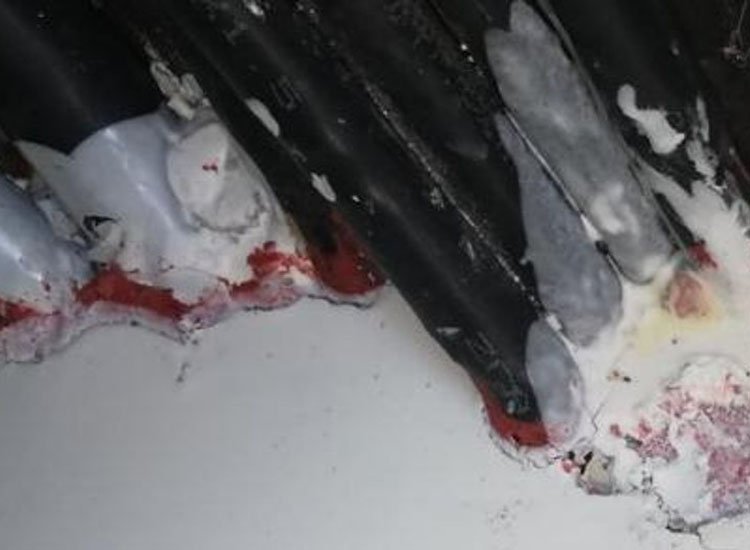
Organic putty sealing
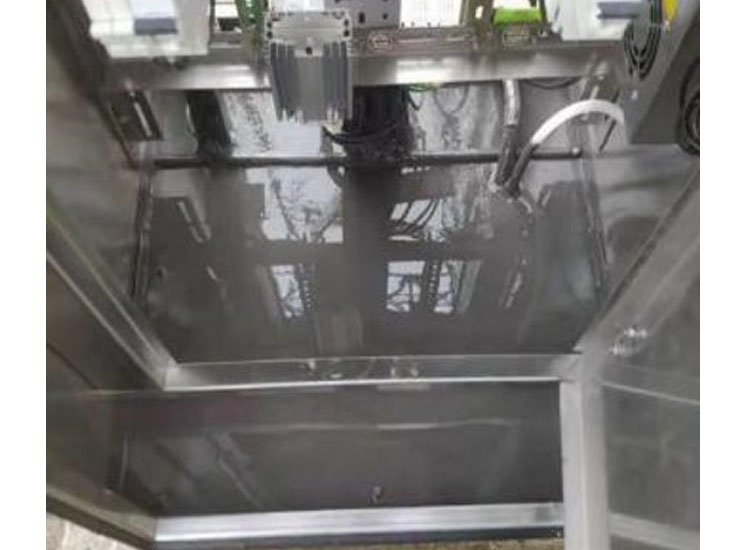
Anti-condensation firestop sealant
Case Study 2 – BESS Container Fire Protection
Challenge
An energy storage customer failed to pass the UL test and consequently lost important market orders. They had previously used aerogel-based products, which not only involved patent complications but also proved incapable of withstanding the instantaneous temperatures exceeding 800°C generated during lithium battery thermal runaway.
Solution
Engineers specified:
microporous fire boards +Ceramic aeerogel insulation
Composite fire resistant linings
Result
Improved thermal insulation and enhanced resistance to fire propagation.
Help the clients passed the UL test.
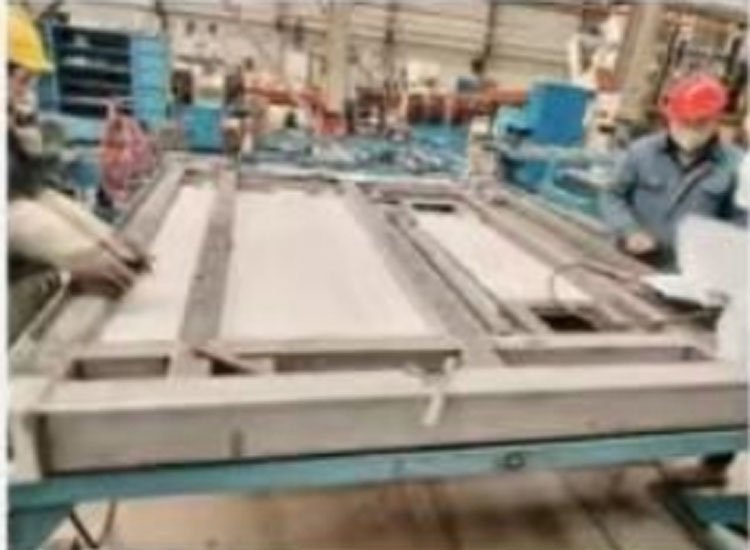
Fire resistant linning
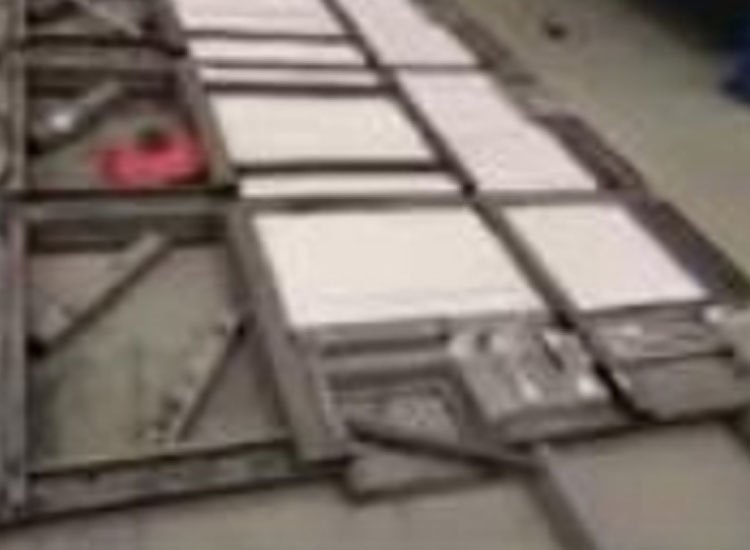
Fire resistant linning for BESS container
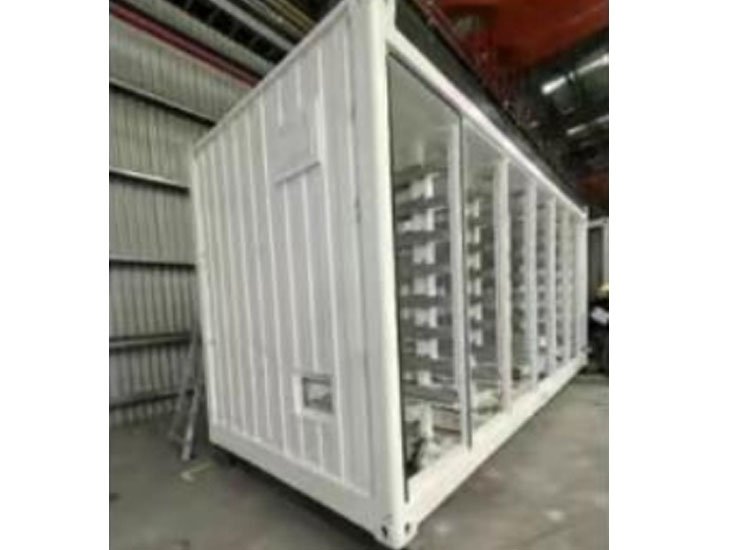
Passive fire protection for BESS container
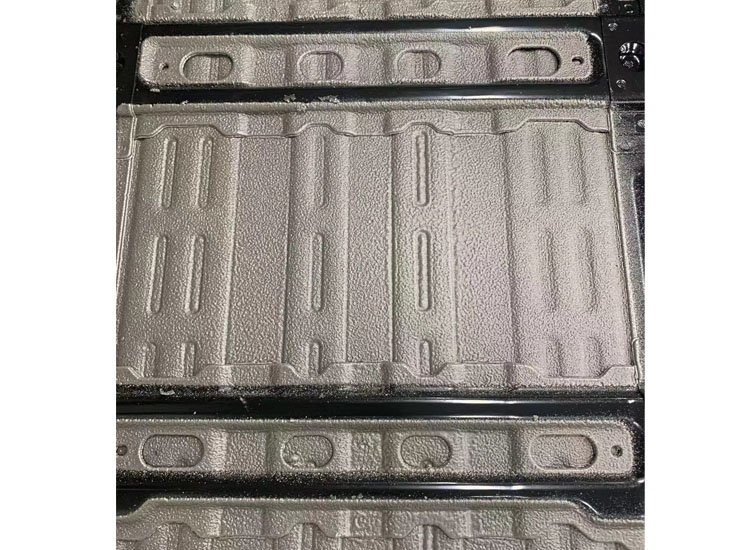
Anti-condensation firestop sealant