Microporous Thermal insulation board
Effectively resists heat transfer through conduction, convection, and radiation.
Microporous materials are specifically designed for applications where space is limited, fire safety is critical, and temperature control is essential.
In the power and energy sector, microporous insulation plays a vital role in passive fire protection, thermal runaway mitigation, and protection of critical electrical assets.
Popular application
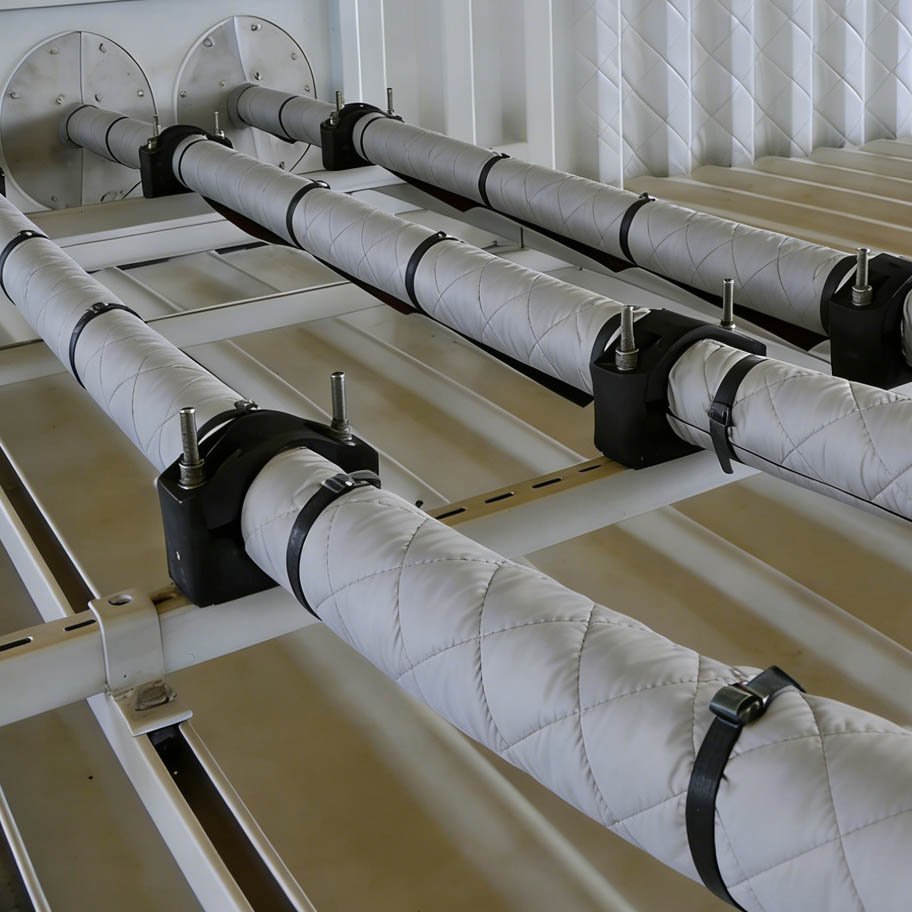
High voltage cable wrapping
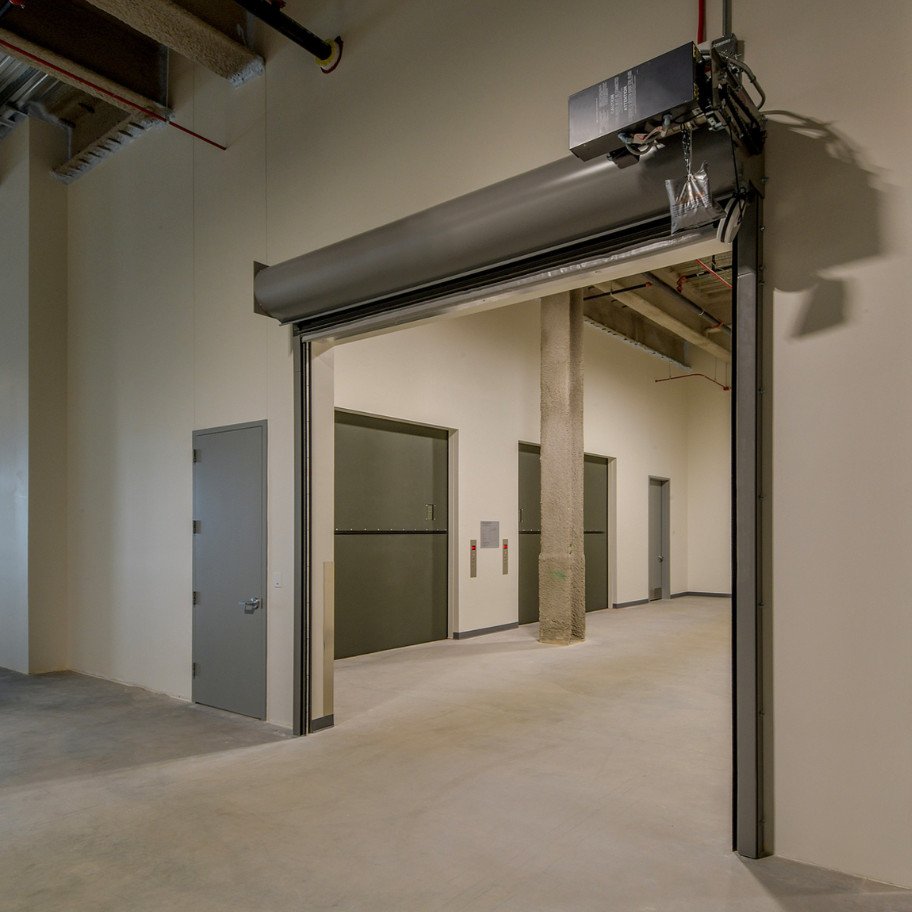
Firedoor core
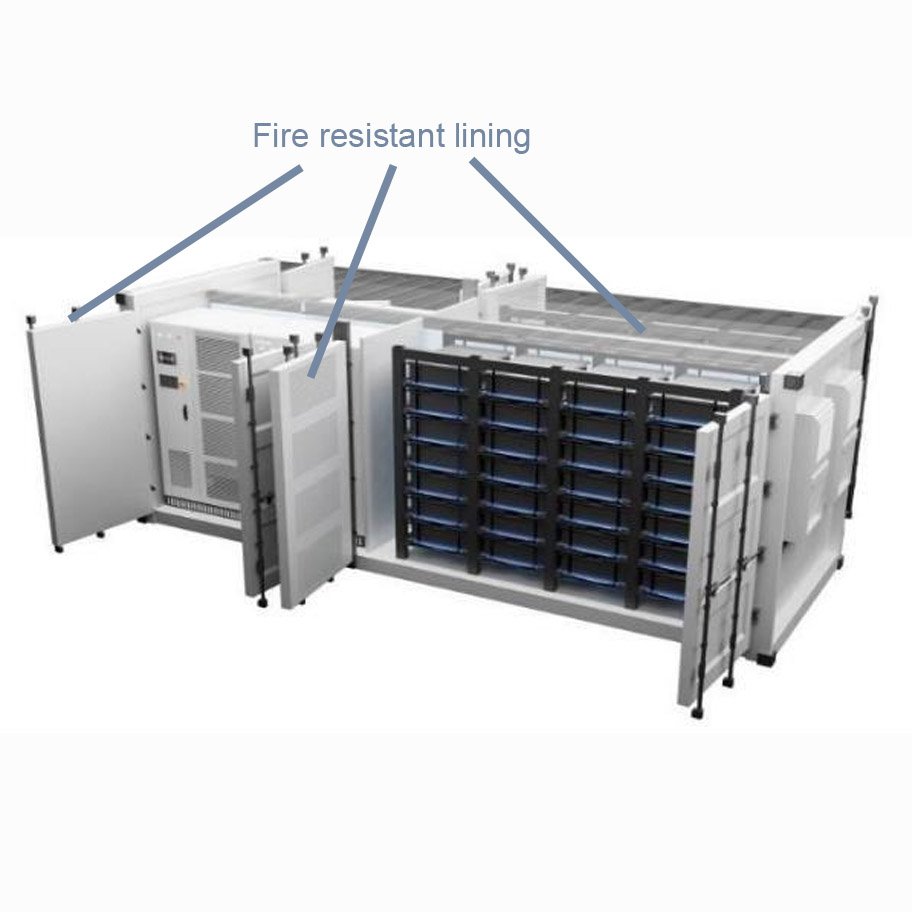
Internal lining in BESS enclosures
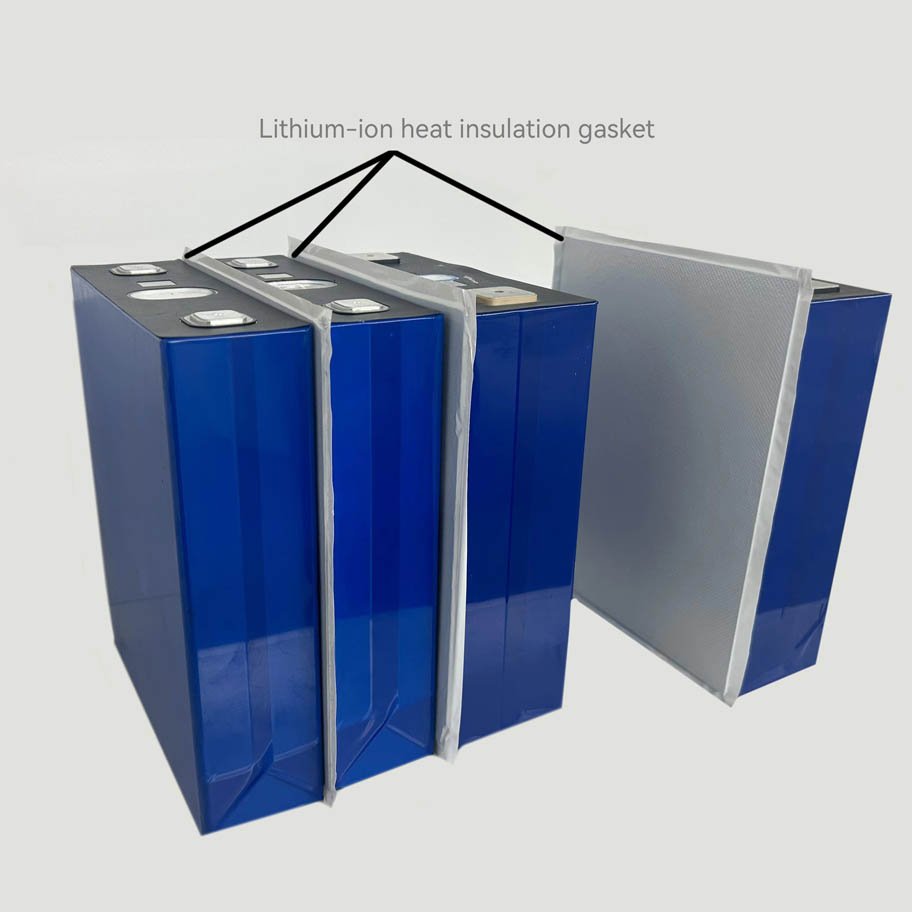
Thermal barrier between lithium battery cells
Key Features
• Ultra low thermal conductivity: Significantly reduces heat transfer, even at elevated temperatures, enabling thinner insulation designs compared to conventional materials.
• Non combustible and fire resistant: Does not burn, melt, or release toxic gases, making it ideal for fire protection in electrical and energy systems.
• High temperature stability: Designed for long term operation at temperatures up to 950–1050 °C, with classification temperatures up to 1100–1200 °C.
• Thermal shock resistance: Maintains structural integrity under rapid heating and cooling conditions commonly encountered during fire events.
• Compact and space saving :Delivers excellent insulation performance in confined spaces where thickness and weight are restricted.

Thin, light weight

Thermal conductivity lower than air

Working temperature: 1000 °C

Without any organic adhesive
Applications
- Fire‑Rated Door Core (Power Facilities & Energy Storage Systems)
- Energy Storage Cabinet internal lining
- Fire Protection Wrapping for High‑Voltage Cables
- Thermal resistant barrier between lithium battery cells
Data Sheet
Model
K950
K1000
K1050
Super K1000
Classify Temp. °CModel
1100
1200
1200
1200
Long term Temp. °C
950
1000
1050
1000
ColorModel
Grey
Grey
Off-white
White
Density(kg/m3)
230-280
230-280
230-280
340-370
Compression ratio @ 0.1Mpaodel
2.9%
2.9%
2.9%
3.8%
Average temp. °C
Average heat conductivity coefficient W/m-k
20℃Model
0.019
0.019
0.019
0.019
200℃Model
0.021
0.021
0.021
0.023
400℃Model
0.025
0.025
0.025
0.028
600℃Model
0.030
0.030
0.030
0.034
800℃Model
0.038
0.038
0.038
0.042
Laminated Material
Aluminum Foil, glassfiber cover, Polyolefin (POF) Film Coating
, Non-woven Fabric Coating
ThicknessModel
1mm -50mm
FAQ
Why choose NEW AY ’s microporous thermal insulation board?
Due to its unique microstructure, microporous insulation has a thermal conductivity lower than that of still air at ambient temperature.
This makes it ideal for applications where limited space is available but superior thermal insulation performance is required, especially in thin-profile designs.
Does microporous board need to be laminated before use?
In most cases, yes.
One inherent characteristic of microporous material is that it is relatively fragile and may generate surface dust. Therefore, lamination is generally recommended to improve handling strength and cleanliness.
For example, when used as thermal insulation between lithium battery cells, we typically laminate the material with a PET film.
However, when used as an inner lining inside BESS enclosures where there is no direct mechanical contact, lamination may not be necessary, which helps reduce overall cost.
How thin can the microporous board be manufactured?
We are currently able to supply stable mass production thickness down to 1 mm
What is the delivery condition?
We provide customized sizes according to customer specifications.
The products are packed in tailor-made cartons based on dimensions, stacked properly, and loaded into containers for shipment.
What is the maximum service temperature?
Our microporous material can typically withstand temperatures up to 1050°C。Please contact us for specific performance data according to your application requirements.
Is the material fire-rated?
The material is inherently non-combustible and can meet relevant fire safety standards.
Fire test reports video and report can be provided upon request.